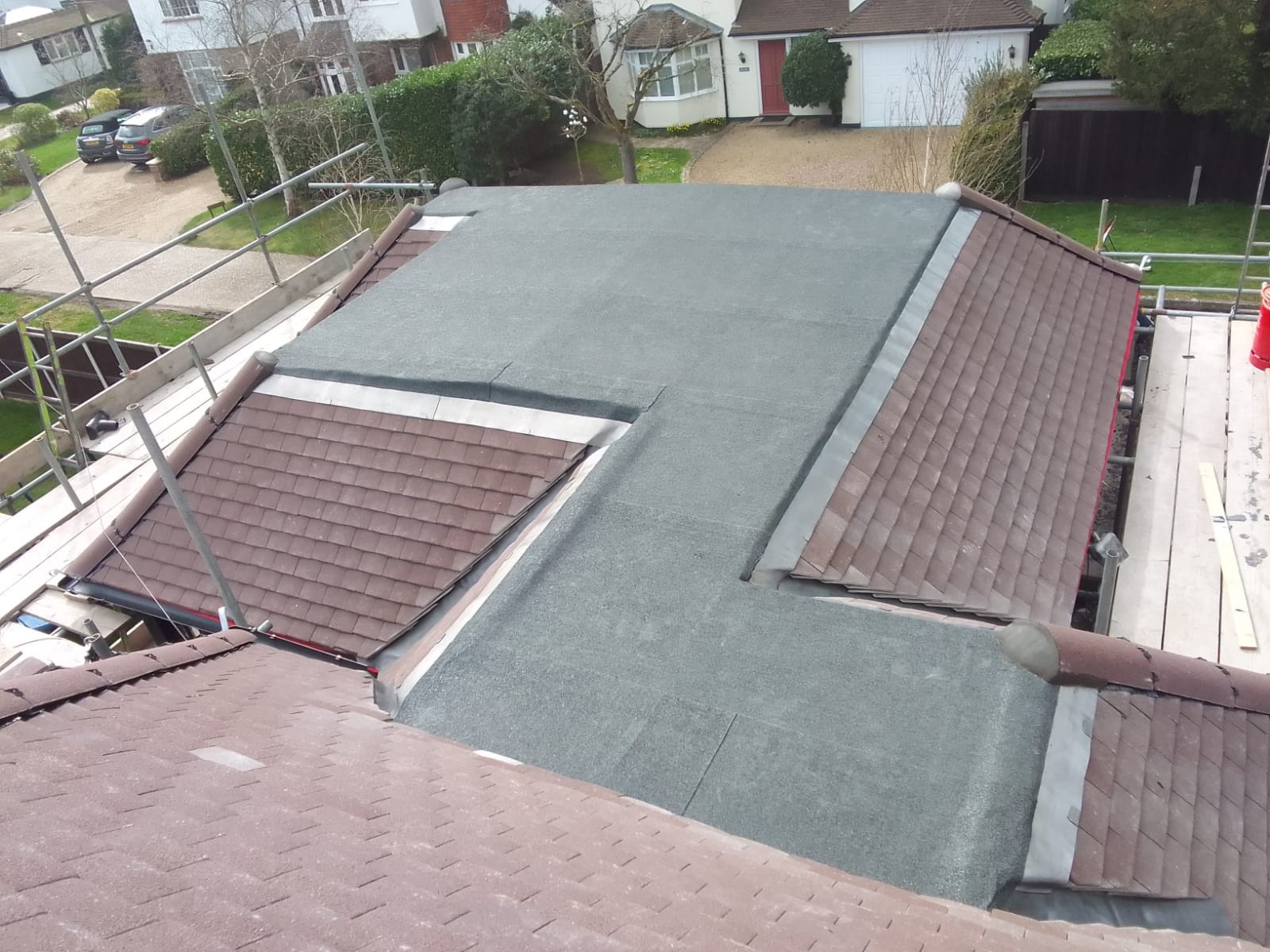
From inception to design and construction, you will be extremely satisfied with our service and our mission to exceed your expectations.
We have a vast range of materials and top of the range products available for fast turnaround.
Operating in London & Surrey we are the first choice for a professional, local service where attention to detail is absolutely critical.
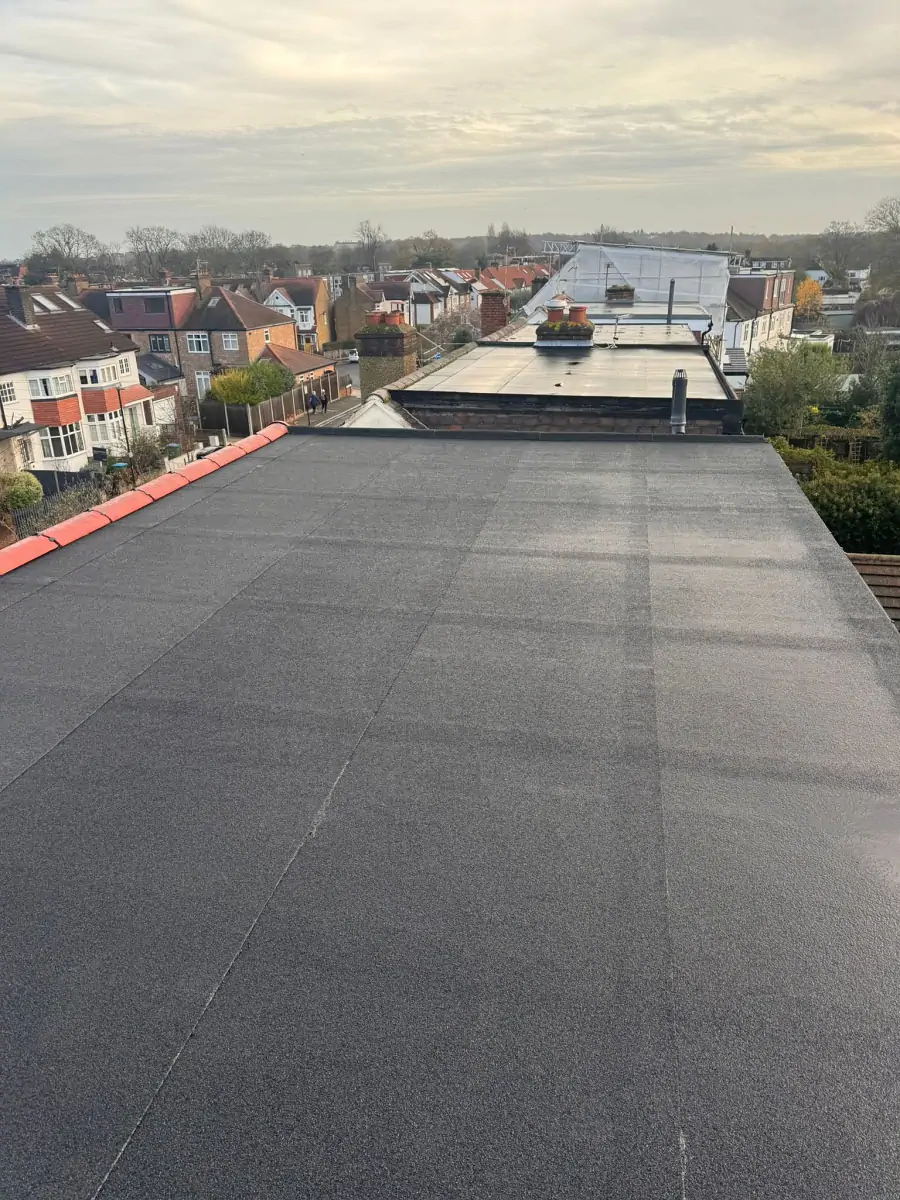
Empire Roofing & Construction have been maintaining flat roofs across London & Surrey for over 20 Years. We undertake both residential & commercial flat roofing works, as well as insurance work.
All of our work comes with a minimum of a 10 year insurance backed guarantee.
Get in touch with us, we will respond promptly and can even attend the property the same day in an emergency, for example, severe water ingress.
Our recommended flat roof options include:
We specialise in maintaining and installing all types of flat roofs. With over 20 years experience working on some of London’s & Surrey’s most prestigious rooftops there is no flat roofing problem that we have not come up against. From Torch on Felt roofs to GRP fibreglass flat roofing systems we’ve installed and maintained it all.
All of our staff are fully qualified and have undertaken training on the many flat roofing systems available on the market today. If you need your flat roof replaced or repaired then contact us for a free no obligation estimation.
Then it is imperative you get a reputable roofing company to look at it as soon as they can to prevent the roof from becoming even more of a worry than it currently is.
Customers can become very stressed when they have a leaking flat roof and dread the day that it starts raining again. Rainwater has the uncanny knack of finding its way into the smallest of cracks and causing havoc with the rest of your property. If left untreated the damp can cause mould to appear within your home causing extra problems and repair bills, so it is always best to get a leak seen to sooner rather than later.


A warm deck flat roof using a 150mm PIR insulation refers to a type of flat roof construction that places rigid insulation boards directly above the structural deck, keeping the deck warm and protecting it from moisture and temperature extremes. This method uses a 150mm layer of high-performance insulation, usually polyisocyanurate(PIR), to prevent condensation by maintaining the roof deck above the dew point. The insulation is then covered with a waterproofing membrane, to create a durable and energy-efficient system ideal for new builds and refurbishments.
Key Components & Construction
Structural Deck: The underlying support of the roof.
Vapour Control Layer: Placed on top of the structural deck to prevent moisture from the building’s interior from reaching the insulation.
150mm Rigid Insulation Board: This is the core of the warm roof. These boards are typically made from polyisocyanurate (PIR) and feature foil facings for enhanced thermal performance. The 150mm thickness provides excellent insulation and high thermal resistance.
Waterproof Membrane: A covering laid on top of the insulation to protect the structure from weather.
Thermally Broken Fixings: These are used to secure the insulation and waterproofing membrane, ensuring no metal bridge exists from inside to outside, which could cause thermal bridging.
A cold deck flat roof is a type of flat roof where the insulation is placed between the ceiling joists or roof joists, leaving a ventilated air gap above the insulation and below the actual roof deck.
This design requires continuous ventilation to the roof void to prevent condensation and protect the structural deck from temperature fluctuations, though it is a more affordable option than a warm deck roof.
A flat roof vent system is usually preferred to provide ventilation.
Flat roof vents use passive or mechanical methods to facilitate air circulation and prevent moisture build-up.
Their primary use is to remove warm, moist air from the building’s interior and the roof’s air cavity, protecting the roof structure from damage caused by condensation, rot, mould, and extreme temperature fluctuations. Key types include mushroom vents and breather vents for passive ventilation and pop vents for mechanical exhaust, ensuring the longevity and structural integrity of the flat roof.
Key Components & Construction:
Insulation Placement: The insulation is installed within the structure, betweenthe joists
Ventilated Air GAP: A ventilation gap (at least 50mm) is necessary above the insulation and below the roof deck. This gap needs to be continuous on two opposing sides to allow air to flow.
Vapour Control Layer: A vapour control layer is placed on the “warm” side of the insulation (the inside of the building) to stop warm, moist air from entering the roof void, which helps prevent condensation.
Susceptible To Condensation: Because the roof deck is not protected by insulation from the elements, it’s more prone to condensation, which can lead to dampness, rot, and mould.
Often Used For Reburbishments: This type of roof is often chosen for refurbishment projects on existing flat roofs, because it doesn’t require the roof’s height to be altered or significantly increased.
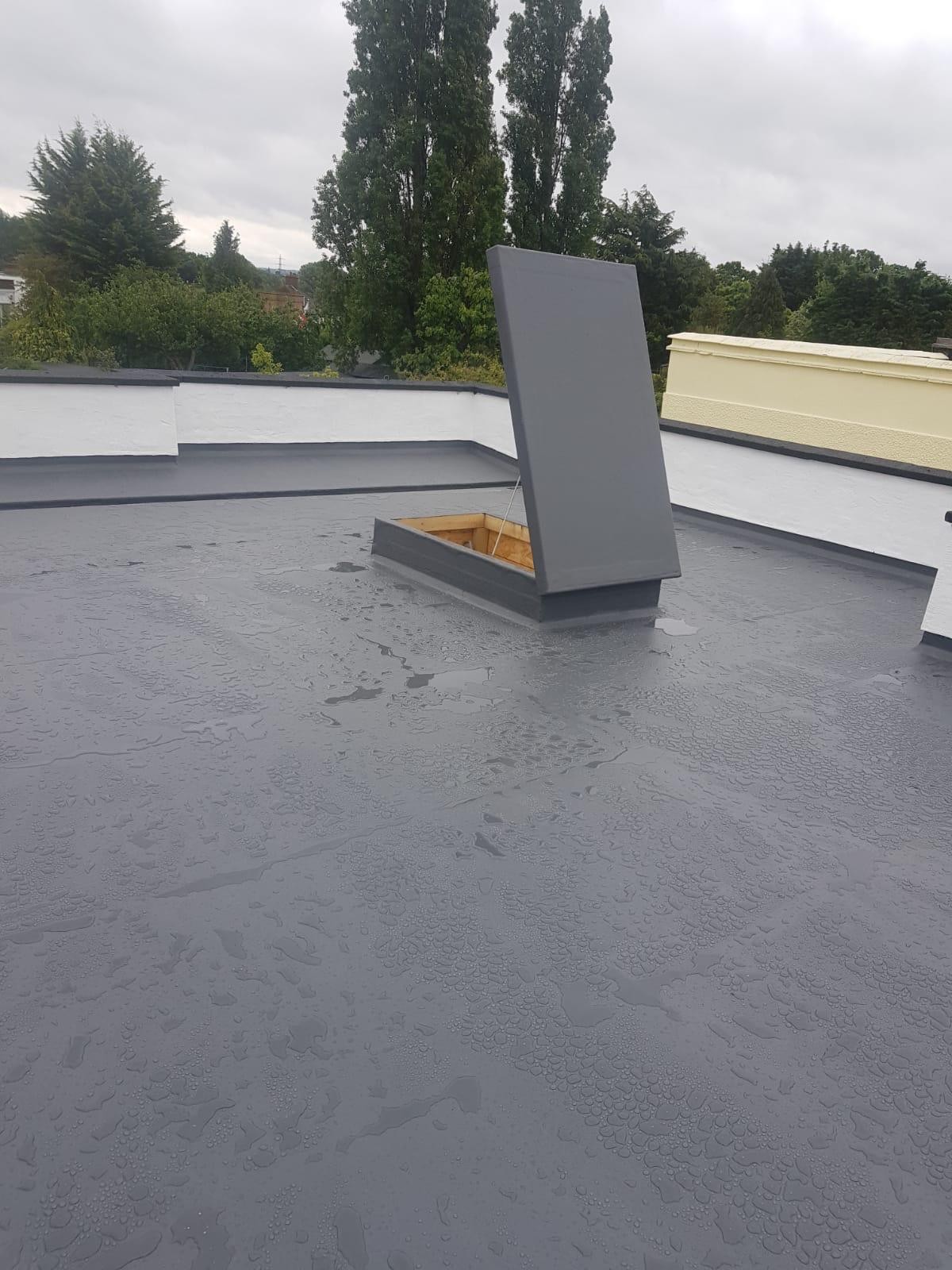
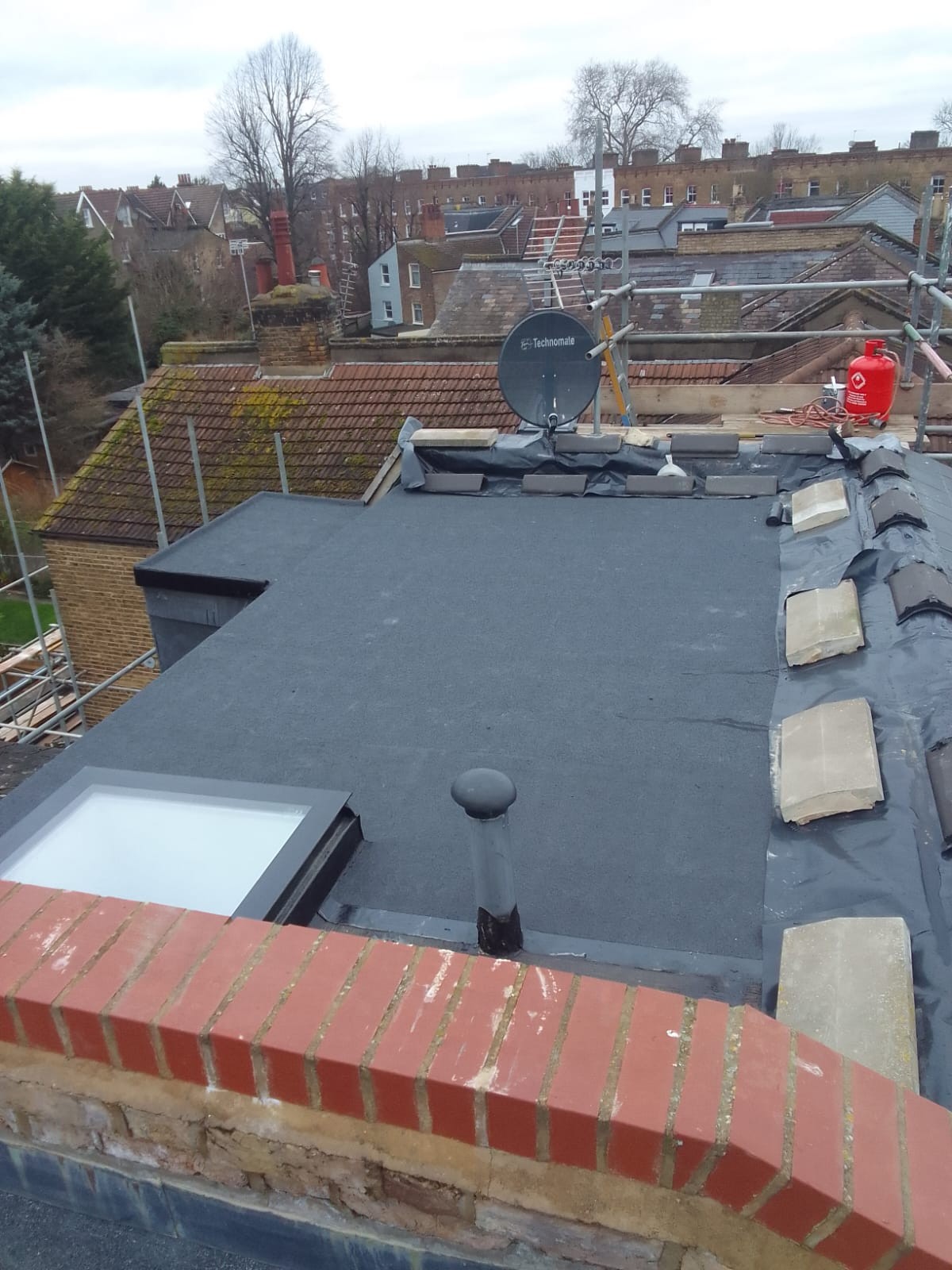
Flat roofs are designed to perform for the long term. With targeted repairs and quality roofing materials, we can stop leaks fast, restore integrity, and extend the lifespan of your existing system without the cost of a full replacement.
When a customer contacts us about a flat roof problem this is the general process:
Consult with customer or insurance company about flat roof repairs needed.
Submit full report to customer as to what findings were, and what repair work we undertook.
The top reasons why flat roof leaks are:
Bad design: Not having an adequate fall on the roof or adequate outlets for water to drain from the roof.
Bad workmanship: The roof covering not being installed to the manufacturer’s specifications.
Settlement: The roof holds water because the timbers supporting it have sagged and now allow water to pond on the roof.
Lack of maintenance: Solar-reflective stones or paint haven’t been applied regularly to prevent the sun from blistering and splitting the surface.
Puncturing: People walking and working on the roof without taking care.
Poorly installed flashings: Flashings not dressed to the surrounding walls correctly or incorrect use of flashing materials, such as lead not being used correctly.When carrying out flat roof repairs we consult closely with the customer about the roof condition. Sometimes the flat roof has deteriorated so badly that a viable repair isn’t an option. It is normal but not essential to repair a leaking flat roof using the same materials as those originally used. However if your flat roof is an old lead or zinc roof, and isn’t visible from the house, using the same materials for the repair is an unnecessary expense. In this case we would normally repair it by patching the leak using torch on felt or liquid rubber. Both these products will last between 10 and 20 years, and if it’s an old flat roof they’ll probably outlive the roof itself.
If you have acquired a flat roof when you purchased your property and there wasn’t any ongoing guarantee, you would have no recourse to the flat roof installer.